

Hong–Ou–Mandel-Interferenz von mehr als zehn nicht unterscheidbaren Atomen
Overview


QuantumFrontiers connects five core research areas to advance quantum-enabled metrology and fundamental physics from principles to impact. Quantum Concepts develops the theoretical foundations to control the properties of light and matter, while Scaling Quantum Systems integrates these insights into robust, scalable architectures. These capabilities enable Next-Level Metrology to deliver next-generation sensors and measurement protocols, supported by the shared infrastructure and tools of a Common Technology Platform. Sharing Science integrates this research into education and public dialogue, positioning QuantumFrontiers at the international forefront of precision measurement.
Research Areas
Quantum Concepts (QC)
 ©
Jan Hosan
©
Jan Hosan
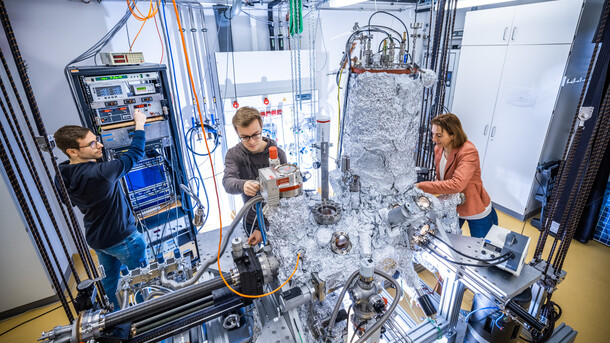
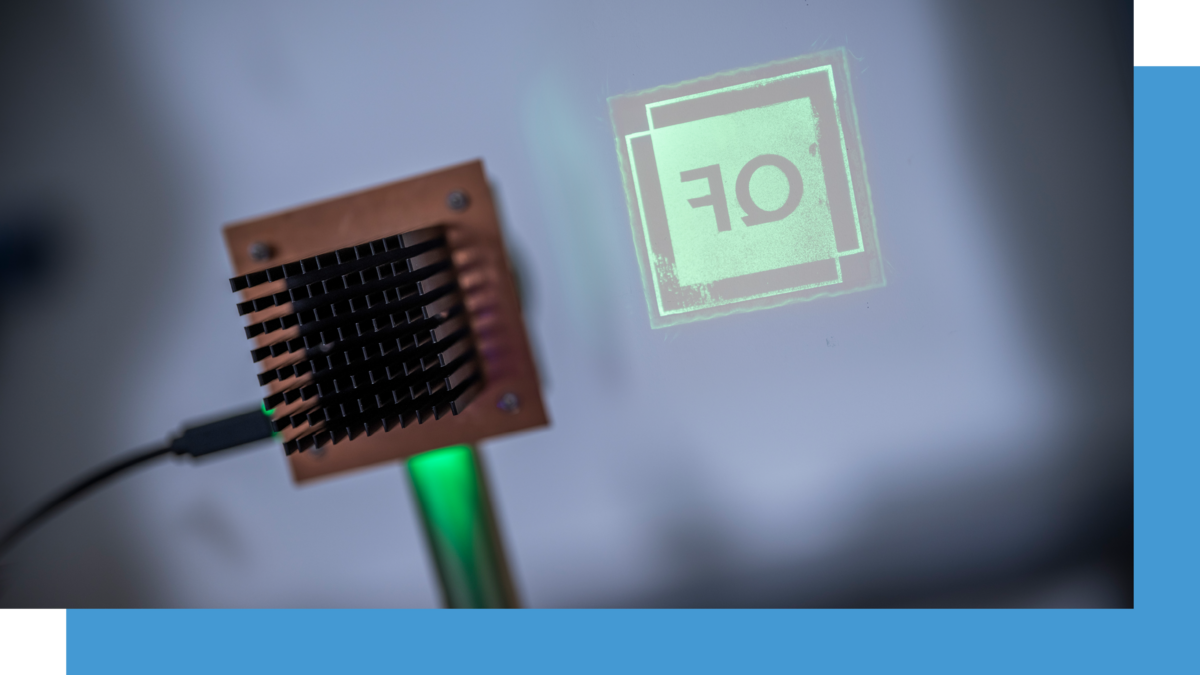
Our Research Area, Quantum Concepts (QC1 - QC5), is dedicated to advancing the theoretical, conceptual, and engineering foundations necessary for cutting-edge applications in metrology and fundamental physics. Our research is centered on the comprehension and manipulation of fundamental quantum properties of light, matter, and their interactions.
Scaling Quantum Systems (SQS)
 ©
Jan Hosan
©
Jan Hosan
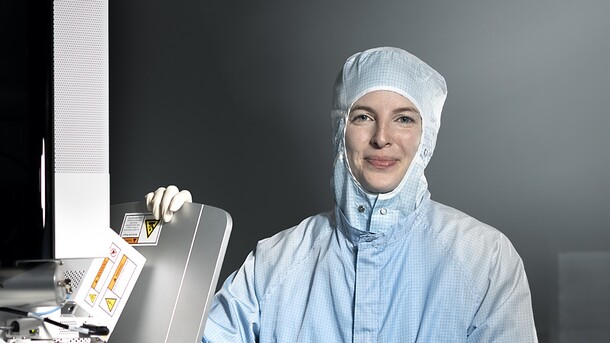
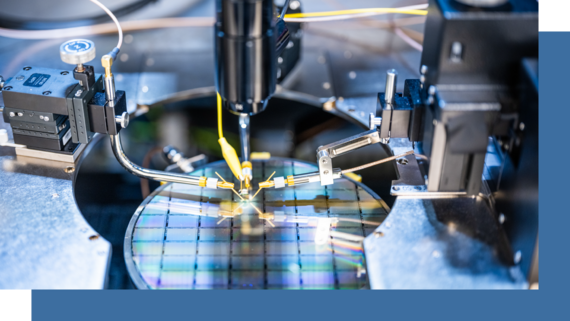
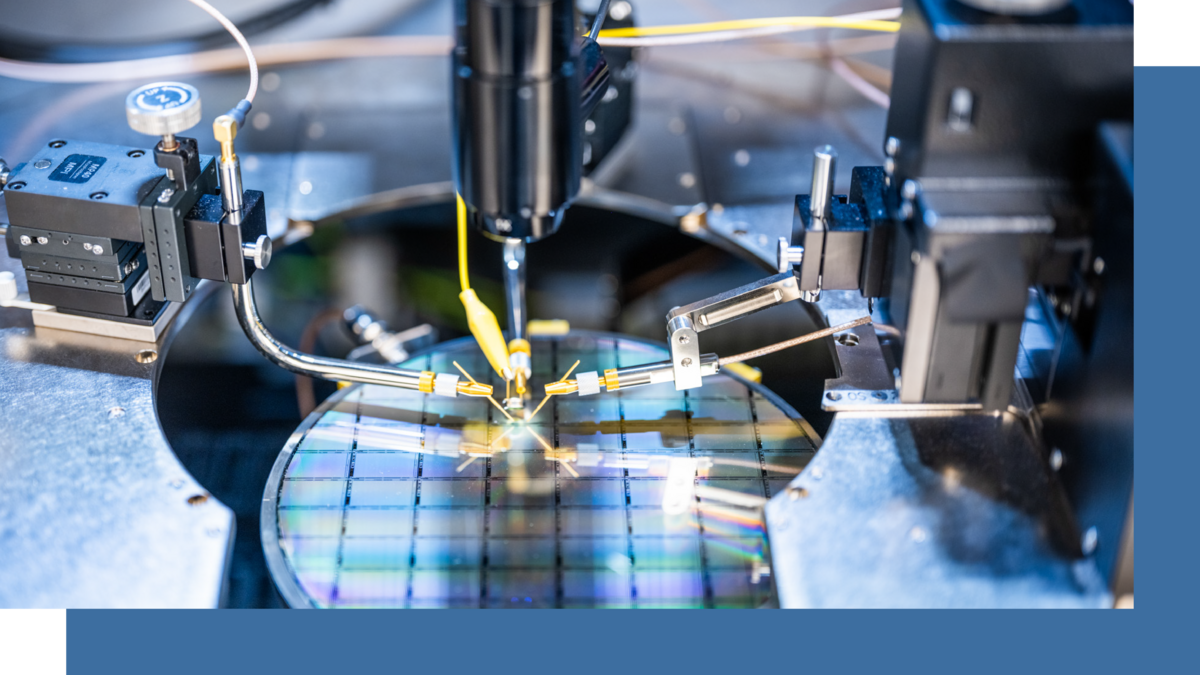
The Scaling Quantum Systems (SQS) research area is focused on enhancing the operational readiness and robustness of quantum systems. Our primary strategies include miniaturization, parallelization, and scaling of system complexity. By applying foundational concepts from Quantum Concepts (QC), we aim to extend these principles to larger and more intricate systems, often involving many entangled quantum objects, within more compact and scalable architectures.
Next-Level Metrology (NLM)
 ©
Jan Hosan
©
Jan Hosan
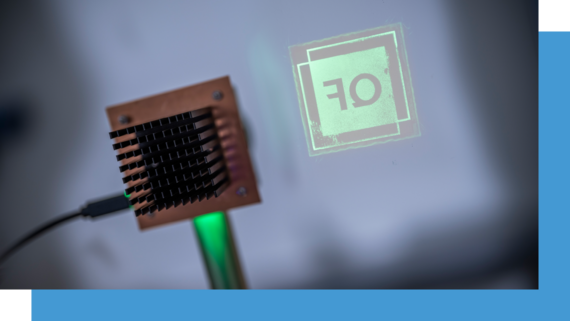
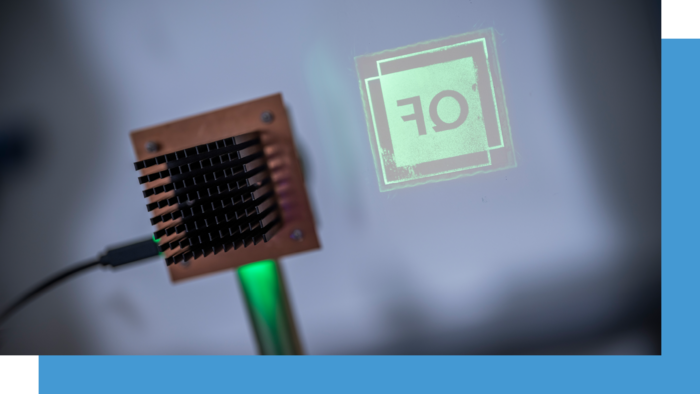
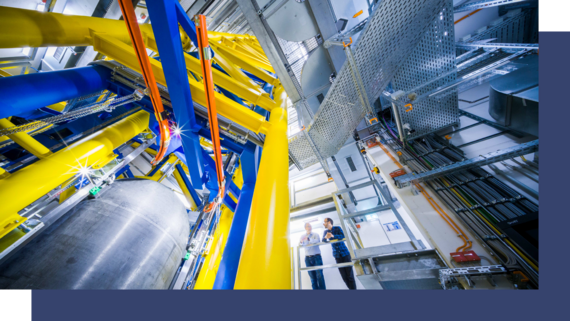
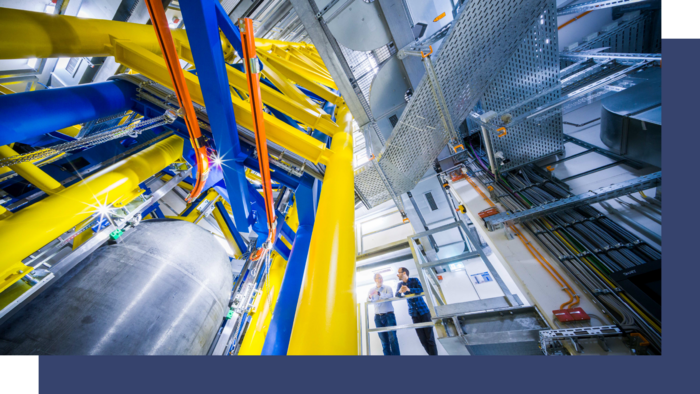
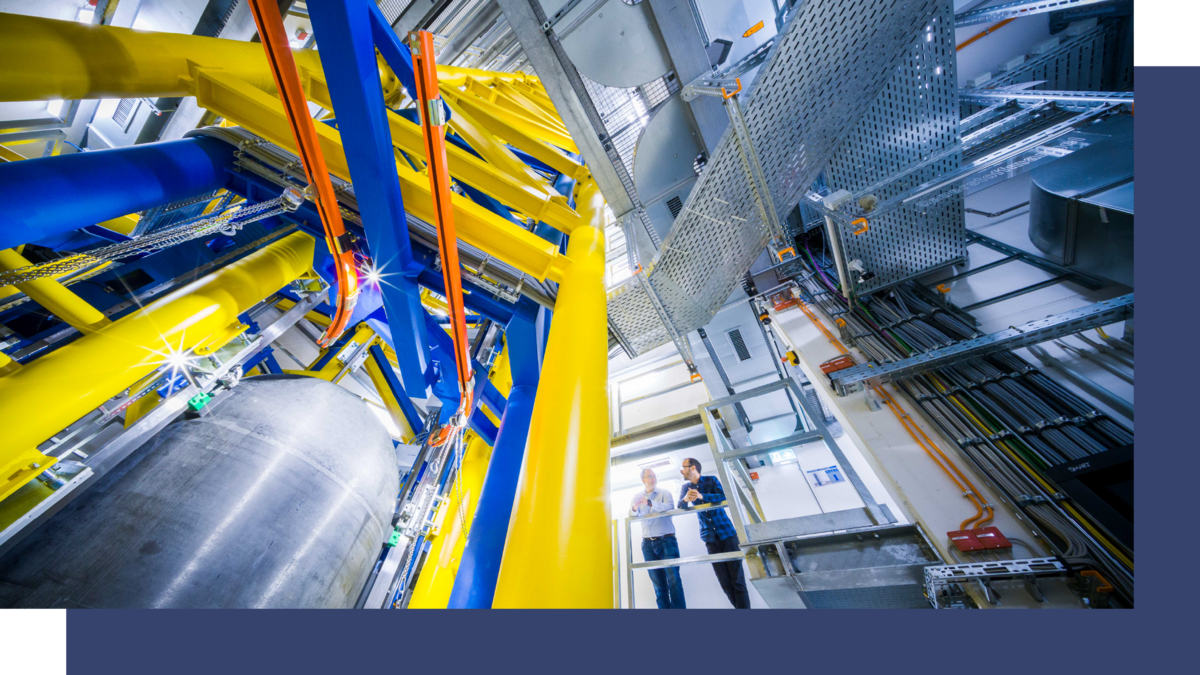
The Next-Level Metrology (NLM) research area comprises six focal topics (NLM1 - NLM6) that position QuantumFrontiers at the forefront of advancing innovative measurement applications on an international scale. Building on the concepts developed in Quantum Concepts (QC) and the scaling solutions from Scaling Quantum Systems (SQS), our work focuses on establishing cutting-edge quantum sensors for a variety of applications.
Common Technology Platform (CTP)
 ©
Jan Hosan
©
Jan Hosan
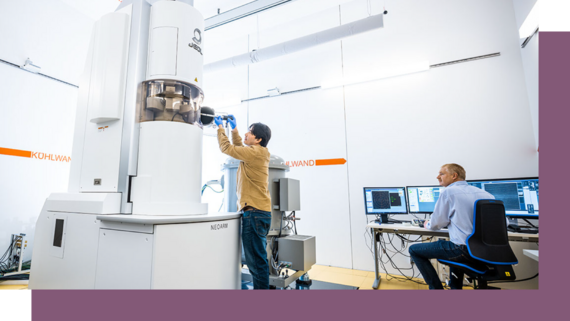
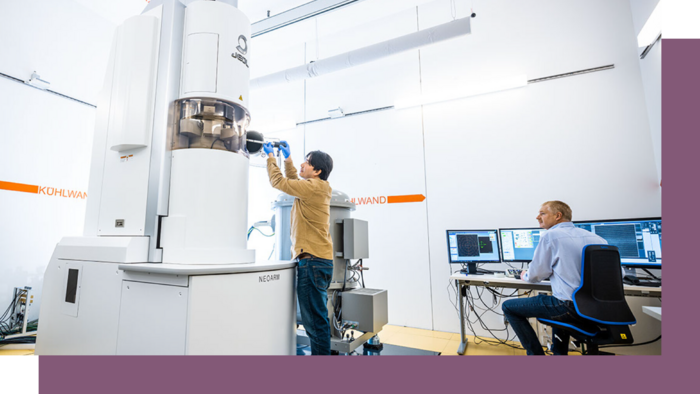
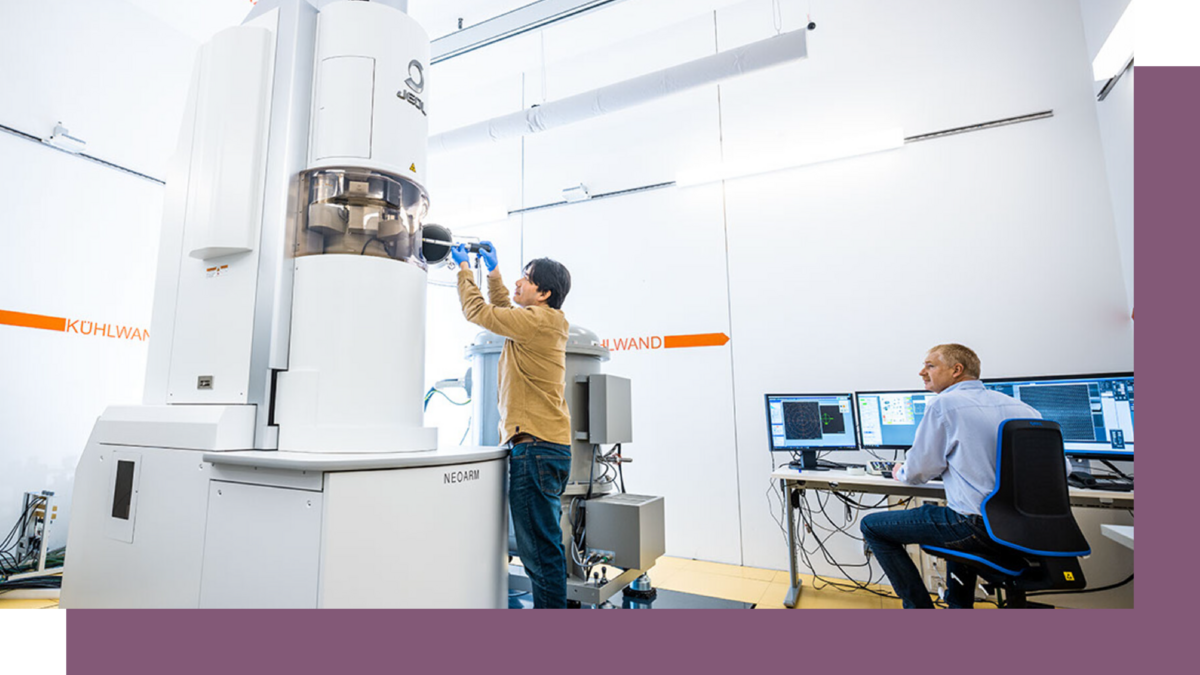
The Common Technology Platform (CTP) at QuantumFrontiers integrates advanced technological resources and expertise to support and enhance our research objectives. It serves as a centralized hub for sharing cutting-edge tools and methodologies across different project areas, fostering collaboration and innovation.
Sharing Science (SSC)


 ©
Silja Klemenz/TU Braunschweig
©
Silja Klemenz/TU Braunschweig
The Sharing Science (SSC) research area addresses the societal and educational implications of our Cluster’s quantum research. With four dedicated topics, SSC explores explanatory competences, outreach formats, and the historical and societal aspects of quantum technologies. This requires an interdisciplinary approach, combining insights from social and educational sciences with physics.